
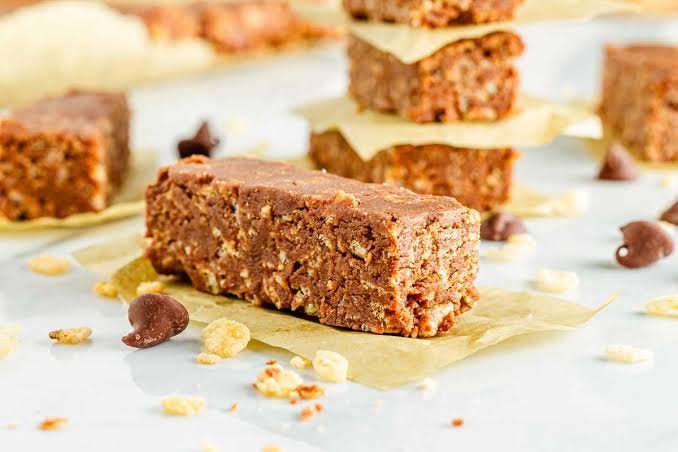

Protein bars have become a popular choice for busy people who want a quick and convenient snack. They can be useful before a workout, after exercise, during a busy workday, or simply when hunger strikes between meals. However, many store-bought protein bars can be expensive and may contain large amounts of added sugar, artificial ingredients, or unnecessary fillers.
Making your own bars at home gives you much more control over what goes into your snack. You can choose the protein source, adjust the sweetness, add your favorite nuts and seeds, and create a texture that suits your taste. Homemade protein bars can also be prepared in batches, making them a practical option for meal preparation.
The best part is that you do not need advanced cooking skills to make a good protein bar. Most recipes require simple ingredients and basic kitchen equipment. With the right balance of dry ingredients and a binding mixture, you can create bars that are filling, flavorful, and easy to store.
This guide explains how to make homemade protein bars, which ingredients work best, how to customize them, and what common mistakes to avoid. Whether you are interested in fitness or simply want a convenient homemade snack, these ideas can help you build a recipe that fits your lifestyle.
What Are Homemade Protein Bars?
Homemade protein bars are snack bars prepared at home using ingredients that provide protein, energy, and other nutrients. Common ingredients include protein powder, oats, nut butter, seeds, nuts, dried fruit, milk, yogurt, and natural sweeteners. Depending on the recipe, the bars may be baked or prepared without an oven.
Unlike many packaged snacks, homemade bars can be customized according to individual preferences. For example, someone who prefers a softer texture can add more nut butter or yogurt, while someone who likes a firmer bar can increase the amount of oats or other dry ingredients.
Protein content can also be adjusted. Whey, casein, soy, pea, or other protein powders can be used depending on dietary preferences. Whole-food ingredients such as peanuts, almonds, pumpkin seeds, chia seeds, and hemp seeds can provide additional protein while contributing healthy fats and texture.
Another advantage is ingredient transparency. When you prepare a snack yourself, you know exactly what you are adding. This makes it easier to manage sweetness, portion size, and ingredients that you may want to limit.
Why Make Protein Bars at Home?
One of the biggest reasons to make protein bars at home is convenience. A single preparation session can produce several servings that are ready to grab from the refrigerator. This can be especially helpful for people who have busy mornings or frequently need a snack while traveling or working.
Cost is another important factor. Protein bars sold individually can become expensive, particularly when consumed regularly. Buying ingredients in larger quantities and preparing bars yourself can often be more economical.
Homemade recipes also offer greater flexibility. You can make chocolate bars one week, peanut butter bars the next, and fruit-and-nut versions after that. This variety can make healthy snacking more enjoyable instead of repetitive.
Finally, making your own bars allows you to control portion sizes. Rather than relying on a standard commercial serving, you can cut the mixture into smaller or larger pieces depending on your nutritional needs and appetite.
Key Ingredients for Homemade Protein Bars
A successful protein bar usually needs a combination of dry ingredients, protein-rich ingredients, a binding component, and flavor additions. Oats are one of the most useful bases because they provide carbohydrates, texture, and a mild flavor that works with many combinations.
Protein powder is another common ingredient. Whey protein creates a smooth texture and works particularly well in no-bake recipes. Plant-based protein powders can also be used, although they may absorb more liquid and sometimes produce a denser texture.
Nut butter provides both flavor and structure. Peanut, almond, cashew, or sunflower seed butter can help hold the ingredients together while adding richness. If the mixture feels too dry, a small amount of milk or another liquid can usually improve its consistency.
Seeds and nuts are optional but valuable additions. Chia seeds, flaxseeds, pumpkin seeds, walnuts, and almonds can add crunch and nutritional variety. Dried fruit, cocoa powder, cinnamon, vanilla, coconut, or dark chocolate can then be added to create different flavor profiles.
Choosing the Right Sweetener
The amount and type of sweetener depend on the ingredients and personal preference. Honey and maple syrup are common choices because they add sweetness while also contributing moisture that helps bind the mixture.
Dates can provide another option. Soft dates can be blended with other ingredients to create a naturally sweet and sticky base. This works particularly well in recipes that use nuts and seeds.
It is important not to assume that a homemade bar is automatically low in sugar simply because it is homemade. Ingredients such as honey, maple syrup, dates, and dried fruit can contribute significant amounts of naturally occurring or added sugars.
A good approach is to start with a small amount of sweetener and taste the mixture before shaping it. Protein powder and nut butter vary considerably in flavor, so you may need less sweetener than expected.
Easy No-Bake Homemade Protein Bars Recipe
A simple no-bake recipe can be made with rolled oats, protein powder, peanut butter, honey, milk, and a few optional ingredients. Start by combining the dry ingredients in a large bowl. Mixing them first helps distribute the protein powder evenly throughout the mixture.
Next, add the peanut butter and honey. Stir thoroughly until the mixture begins to resemble a thick dough. If it remains crumbly, add milk one tablespoon at a time until the ingredients hold together.
Once the mixture reaches the right consistency, press it firmly into a lined container or small baking dish. Use the back of a spoon or the bottom of a glass to create an even surface. Firm pressure is important because loose mixtures can fall apart after cutting.
Refrigerate the mixture for at least an hour before slicing. Once firm, cut it into individual portions. Store the bars in an airtight container in the refrigerator and consume them within a reasonable period based on the freshness of the ingredients used.
How to Get the Perfect Texture
Texture is often the difference between a homemade bar that works and one that falls apart. If the mixture is too dry, it will crumble when you try to cut it. If it is too wet, the bars may become sticky and difficult to handle.
The solution is to make adjustments gradually. Add small amounts of liquid rather than pouring in a large quantity at once. Similarly, if the mixture is too soft, additional oats or protein powder can help absorb excess moisture.
Pressing the mixture firmly into the container is equally important. Even a well-balanced recipe can produce fragile bars if the mixture is not compacted properly.
Allowing sufficient chilling time also improves texture. Refrigeration helps the fats solidify and gives the ingredients time to bind together, resulting in cleaner slices and easier storage.
How to Customize Your Protein Bars
One of the best features of homemade protein bars is their versatility. You can create different flavors simply by changing a few ingredients. For a chocolate version, add unsweetened cocoa powder and a small amount of dark chocolate.
For a peanut butter variation, increase the peanut butter slightly and add chopped peanuts. Cinnamon and vanilla can create a warm, dessert-like flavor without requiring a large amount of additional sugar.
Fruit-based bars can include chopped dried cranberries, raisins, apricots, or dates. Keep in mind that dried fruit is concentrated, so portion sizes matter if you are monitoring sugar or calorie intake.
You can also experiment with seeds. Chia, flax, sunflower, and pumpkin seeds can add texture and nutritional variety. Start with small quantities until you find a combination that gives you the texture and flavor you prefer.
Protein Bar Ideas for Different Preferences
For a plant-based option, use a plant protein powder and a suitable nut or seed butter. Soy, pea, rice, or blended plant proteins can work well depending on the recipe.
For a chocolate lover, combine cocoa powder, chocolate-flavored protein powder, nut butter, and a few pieces of dark chocolate. This can create a rich snack without relying entirely on commercial chocolate bars.
For a fruit-and-nut version, combine oats, protein powder, almonds, seeds, and chopped dried fruit. The combination of chewy fruit and crunchy nuts creates a satisfying texture.
If you prefer a simple flavor, vanilla protein powder, oats, peanut butter, cinnamon, and a small amount of honey can create a basic recipe that is easy to prepare and modify.
Common Mistakes to Avoid
One common mistake is adding too much protein powder. While protein powder is an important ingredient, excessive amounts can make the bars dry, chalky, or difficult to chew. The protein powder should complement the other ingredients rather than dominate the recipe.
Another mistake is failing to measure ingredients consistently. Small changes in the amount of liquid or dry ingredients can significantly affect the final texture. Using measuring cups or a kitchen scale can make repeated batches more reliable.
Some people also add too many ingredients at once. A recipe with oats, several nuts, multiple seeds, dried fruit, chocolate, coconut, and several sweeteners can become difficult to balance. Starting with a simple base makes it easier to identify what works.
Finally, avoid cutting the bars immediately after mixing. Chilling gives the ingredients time to firm up. If you rush this step, the bars may not hold their shape properly.
How to Store Homemade Protein Bars
Storage depends on the ingredients used and whether the bars contain perishable ingredients. Bars made primarily from oats, nut butter, protein powder, and shelf-stable sweeteners can generally be refrigerated in an airtight container.
Place parchment paper between layers if the bars are sticky. This prevents them from sticking together and makes it easier to remove individual portions.
For longer storage, some protein bars can be frozen. Wrap individual portions before placing them in a freezer-safe container or bag. This allows you to remove only the number of bars you need.
Always check the appearance, smell, and texture before eating stored homemade food. If a recipe contains fresh dairy, fruit, or other perishable ingredients, use more conservative storage practices and keep the bars properly refrigerated.
Are Homemade Protein Bars Healthy?
Homemade protein bars can be a nutritious snack, but their nutritional value depends entirely on the ingredients and portion size. A bar made with oats, protein powder, nuts, seeds, and a modest amount of sweetener can provide protein, carbohydrates, fats, and calories in a convenient package.
However, homemade does not automatically mean healthy. A bar containing large amounts of nut butter, chocolate, honey, or dried fruit can become quite calorie-dense. These ingredients can be nutritious while still contributing substantial calories.
It is also important to remember that protein bars are snacks, not necessarily replacements for balanced meals. A complete diet should include a variety of foods, including vegetables, fruits, whole grains, protein sources, and healthy fats.
The best recipe is one that fits your overall eating pattern. Consider your personal energy needs, activity level, dietary preferences, and goals when deciding how large and how rich to make each bar.
Frequently Asked Questions
1. How much protein should homemade protein bars contain?
There is no universal protein target for a homemade bar. The amount depends on the protein powder and other ingredients used. Check the nutrition information of your ingredients and calculate the total amount per batch, then divide it by the number of bars.
2. Can I make protein bars without protein powder?
Yes. You can use ingredients such as peanut butter, almonds, pumpkin seeds, hemp seeds, oats, and other protein-containing foods. However, protein powder is an easy way to increase the protein concentration of each serving.
3. Why are my protein bars falling apart?
The mixture may not contain enough binding ingredients or moisture. Try adding a small amount of nut butter, honey, milk, or another suitable liquid. Firmly pressing the mixture into the container and chilling it thoroughly can also help.
4. Can I freeze homemade protein bars?
Yes, many recipes freeze well. Wrap individual bars to prevent freezer burn and store them in an airtight freezer-safe container. Allow a frozen bar to thaw in the refrigerator or at room temperature before eating.
5. Can I use plant-based protein powder?
Absolutely. Plant-based protein powders can be used in many recipes. Because different powders absorb liquid differently, you may need to adjust the amount of milk or another liquid to achieve the desired consistency.
6. How long do homemade protein bars last?
Storage time depends on the ingredients and preparation method. Bars containing fresh ingredients generally require refrigeration and should be consumed sooner than recipes made entirely from shelf-stable ingredients. Always follow safe food-storage practices.
7. Are homemade protein bars good for weight management?
They can fit into a weight-management plan when portions and total calorie intake are appropriate. Because ingredients such as nuts, nut butter, and sweeteners can be calorie-dense, portion size is important. A balanced diet and overall calorie intake matter more than any single snack.
Final Thoughts
Making homemade protein bars is a practical way to create convenient snacks that match your preferences. With a simple combination of oats, protein powder, nut butter, and a suitable binding ingredient, you can create a reliable base and customize it with flavors, nuts, seeds, fruit, or chocolate.
The key is balance. A successful protein bar should have enough moisture to hold together without becoming overly sticky, enough dry ingredients to provide structure, and enough flavor to make it enjoyable. Small adjustments can turn a basic recipe into something you genuinely look forward to eating.
Once you understand the basic formula, you can experiment with different combinations and create several varieties. Preparing a batch in advance can also make it easier to have a convenient snack available when you need one.
Whether you want a post-workout option, a quick breakfast companion, or a simple snack between meals, homemade protein bars can be a flexible addition to your kitchen routine. The best recipe is not necessarily the most complicated one; it is the one that is easy to make, tastes good, and fits your everyday needs.