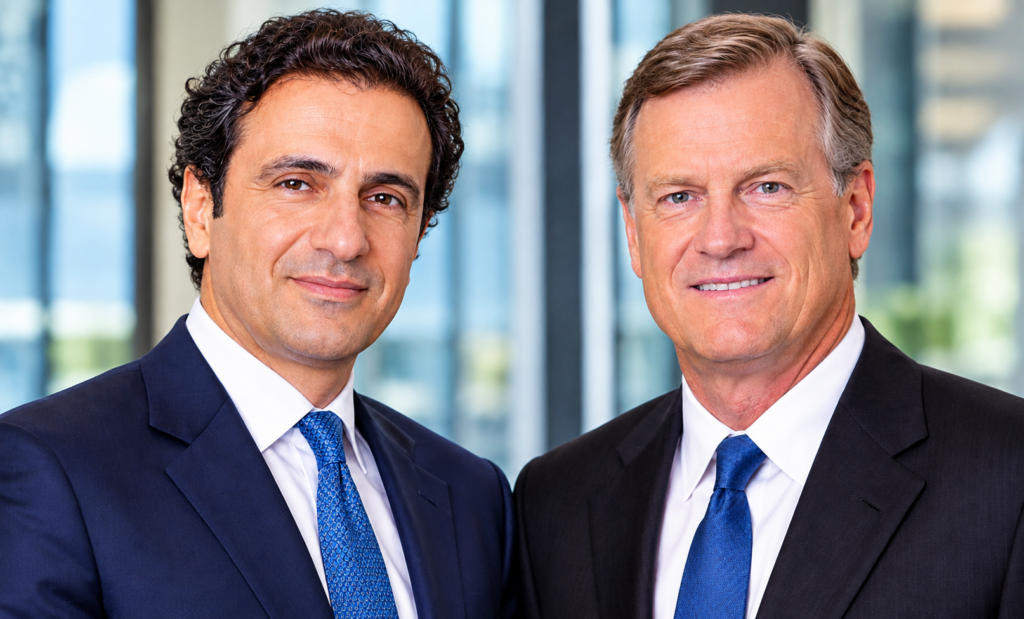

Rodolphe Saade and Greg Hayes are two prominent business executives whose careers have influenced major international industries. Saade is best known for leading CMA CGM, one of the world’s major shipping and logistics companies, while Hayes built his reputation through leadership positions at United Technologies Corporation (UTC) and RTX, a major aerospace and defense company. Both have experience managing large organizations, making important business decisions, and navigating complex international markets.
Although their professional backgrounds share similarities, their main business interests are different. One has focused on global shipping, logistics, and transportation, while the other has concentrated on aerospace, engineering, and corporate restructuring. Understanding their careers helps explain why their names attract interest in business-related searches. This article examines their backgrounds, achievements, leadership experience, and whether a verified professional connection exists between them.
Who Is Rodolphe Saade?
Rodolphe Saade is a French-Lebanese businessman who serves as Chairman and Chief Executive Officer of CMA CGM Group. Born in Lebanon in 1970, he developed an international business background before becoming one of the leading figures in the global shipping and logistics industry.
He studied business and marketing at Concordia University in Montreal, Canada. Before joining his family’s shipping business, he established a water-dispenser company. This early experience gave him an opportunity to develop commercial and management skills.
Saade joined CMA CGM in 1994, when the company was led by his father, Jacques Saade. He initially worked in different international markets, including the United States and Hong Kong. These responsibilities helped him understand shipping operations and international trade.
Between 1997 and 2000, he managed several shipping lines and later became responsible for transatlantic and transpacific operations. His responsibilities gradually expanded as he gained experience in financial management, business development, and international transportation.
In November 2017, he became Chairman and CEO of CMA CGM. Since then, he has overseen the company’s development across shipping, logistics, air cargo, and other transportation services.
Rodolphe Saade’s Business Achievements
Expansion of CMA CGM
One of Saade’s most important achievements has been expanding CMA CGM’s international business activities. The company operates in container shipping, freight transportation, logistics, and port-related services.
His leadership has focused on developing a broader transportation network rather than depending exclusively on traditional maritime shipping. This approach allows the company to provide customers with more integrated transportation and supply-chain services.
Important Acquisitions and Investments
Saade has also played an important role in several significant business transactions. In 2015, he led the acquisition process involving Neptune Orient Lines, a Singapore-based shipping company.
Another important development was the acquisition of CEVA Logistics in 2019. This strengthened CMA CGM’s position in the international logistics market.
In 2022, the group expanded through additional acquisitions involving GEFCO, Ingram CLS, and Colis Privé. These developments supported its strategy of expanding transportation and delivery services.
Investment in Air Cargo
Another important part of Saade’s strategy has been developing air freight operations. CMA CGM established its air cargo division in 2021, creating another transportation channel alongside its maritime operations.
The expansion reflects the changing needs of international businesses, particularly those requiring faster delivery and more flexible supply-chain solutions.
Who Is Greg Hayes?
Greg Hayes, whose full name is Gregory J. Hayes, is an American business executive known for his leadership in the aerospace, defense, and industrial sectors.
He developed much of his professional career at United Technologies Corporation, commonly known as UTC. His experience included financial management, corporate strategy, business development, and executive leadership.
Hayes joined UTC in 1999 through its merger with Sundstrand Corporation. Over the following years, he held several senior management positions and became an important figure in the company’s development.
From 2008 to 2014, he served as UTC’s Chief Financial Officer. In 2014, he became Chief Executive Officer, and he was appointed Chairman in 2016.
His leadership became particularly important during a period of major corporate restructuring. He helped reshape UTC’s business operations and focused its long-term strategy on aerospace activities.
Following the 2020 merger between UTC’s aerospace businesses and Raytheon Company, the combined organization became Raytheon Technologies, later renamed RTX.
Hayes subsequently served as RTX’s Chairman and CEO before becoming Executive Chairman in May 2024. He stepped down from that position in April 2025.
Greg Hayes’s Major Business Achievements
Leadership at United Technologies
Hayes played an important role in transforming UTC into a more focused aerospace business. His strategy included reviewing the company’s operations and making major decisions about which businesses should remain within its corporate structure.
This transformation involved significant transactions, including the sale of Sikorsky Aircraft in 2015 and the acquisition of Rockwell Collins in 2018.
Formation of RTX
One of the most significant developments associated with Hayes was the 2020 merger that combined UTC’s aerospace businesses, Pratt & Whitney and Collins Aerospace, with Raytheon Company.
The transaction created a major organization operating across commercial aerospace and defense markets.
The formation of RTX represented an important moment in the aerospace industry. It brought together businesses with different technical capabilities and established a larger platform for serving international customers.
Corporate Board Experience
After leaving RTX’s executive leadership, Hayes continued his involvement in corporate governance.
According to publicly available company biographies, he serves as Lead Independent Director of Phillips 66 and as a director of Becton, Dickinson and Company (BD).
His experience in financial management, corporate restructuring, and executive leadership remains relevant to his board responsibilities.
Rodolphe Saade and Greg Hayes: Career Comparison
The professional backgrounds of these executives reveal several similarities and important differences. Both have managed major international organizations, but their industries and business responsibilities are not identical.
| Category | Rodolphe Saade | Greg Hayes |
|---|---|---|
| National background | French-Lebanese | American |
| Birth year | 1970 | 1960 |
| Education | Concordia University | Purdue University |
| Main industry | Shipping and logistics | Aerospace and defense |
| Major company | CMA CGM | UTC and RTX |
| Major leadership role | Chairman and CEO of CMA CGM | Former Chairman and CEO of RTX |
| Business experience | International transportation and logistics | Finance, aerospace and corporate strategy |
| Major achievement | Expansion of CMA CGM | Transformation of UTC and formation of RTX |
The comparison demonstrates that both executives have developed substantial experience in international business. However, their professional achievements reflect different industries and corporate priorities.
Is There a Direct Business Connection Between Them?
One of the main questions surrounding these executives is whether they have a direct professional relationship or have worked together on a major business project.
Based on the publicly available corporate biographies and company announcements reviewed, there is no confirmed evidence establishing a direct business partnership, joint venture, shared investment, or personal relationship between them.
Saade’s professional career is closely associated with CMA CGM and its shipping and logistics operations. Hayes’s best-known executive responsibilities were connected with UTC and RTX.
Their names can reasonably appear together in business discussions because both have experience managing large international organizations. Nevertheless, similar professional interests do not automatically establish a working relationship.
There is also no verified public information identifying either executive as a director or business partner of the other’s principal company.
Therefore, it is important to distinguish between an industry-level connection and a confirmed personal or corporate relationship. Any stronger claim would require supporting evidence, such as an official company announcement or documented transaction.
Why Their Business Industries Have Common Ground
Although their professional careers developed in different sectors, shipping and aerospace have several areas of commercial overlap.
Global Transportation
Shipping companies and aerospace businesses both support international transportation. CMA CGM operates across maritime freight and logistics, while aerospace companies provide aircraft systems, engines, and related technologies.
These industries contribute to the movement of people, products, and materials across international markets.
International Supply Chains
Both industries depend on complicated supply chains. Manufacturing companies require reliable transportation networks, while shipping and logistics providers depend on equipment, technology, and industrial suppliers.
These relationships demonstrate how different sectors can support one another without necessarily having a direct corporate partnership.
Technology and Innovation
Technology is another important area of common interest. Saade has emphasized digital development and improvements in logistics services, while Hayes’s executive career involved major aerospace and industrial transformation.
Both careers illustrate the importance of innovation, investment, and adapting to changing market conditions.
Frequently Asked Questions
1. Are Rodolphe Saade and Greg Hayes business partners?
There is no publicly verified evidence establishing a direct business partnership between them. Their professional careers are primarily associated with different companies and industries.
2. What company does Rodolphe Saade lead?
Rodolphe Saade is Chairman and CEO of CMA CGM Group, an international company operating in shipping, logistics, transportation, and air cargo.
3. What is Greg Hayes famous for?
Greg Hayes is known for his leadership at United Technologies Corporation and RTX. He played an important role in corporate restructuring and the formation of RTX in 2020.
4. Did Greg Hayes work for CMA CGM?
There is no confirmed public record showing that Hayes worked for CMA CGM. His executive career was primarily associated with UTC and RTX.
5. Are both executives involved in transportation?
Yes. Saade’s business activities focus on maritime transportation and logistics, while Hayes’s former executive responsibilities involved aerospace and defense businesses.
6. What is the biggest difference between their careers?
Saade has concentrated on expanding a global shipping and logistics organization. Hayes built his career around financial leadership, aerospace operations, and corporate restructuring.
Conclusion
Rodolphe Saade and Greg Hayes represent two different approaches to international business leadership. Saade has developed CMA CGM into a broader transportation and logistics organization through acquisitions, investments, and international expansion. Hayes made significant contributions to the aerospace industry through his leadership at UTC and RTX, including major corporate restructuring and the formation of a combined aerospace and defense business.
Although their professional interests have some similarities, there is no publicly confirmed direct partnership or personal relationship between them. Understanding their individual achievements provides a clearer picture of their influence on global transportation, logistics, and aerospace. Ultimately, their careers demonstrate how strategic leadership and long-term business decisions can shape major international industries.